




Campervan road trip plan in Spain, routes, parking tips
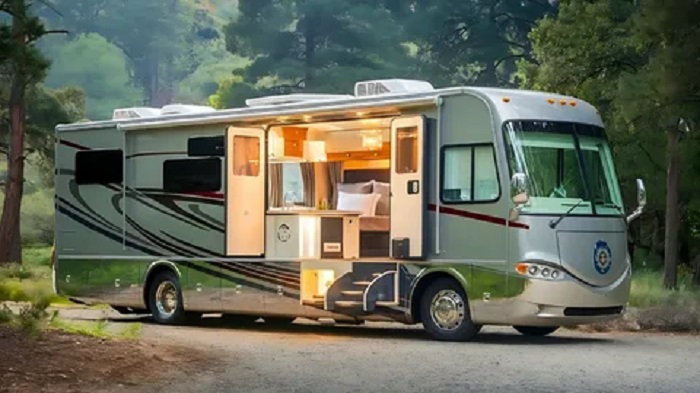
Spain is ideal for a motorhome itinerary: it’s easy to combine ocean coastlines and mountain roads, bustling cities and quiet villages, culinary discoveries and overnight stays under the stars. To ensure a fulfilling and comfortable trip with LSR 365, consider the season and travel pace in advance, create a realistic route with stops, mark campsites and service areas, and clarify parking and overnight regulations in your chosen regions. When choosing a motorhome, compare its size, fuel consumption, equipment, and pickup options to ensure renting a motorhome in Spain doesn’t turn into a rush or unnecessary expense.
Pay special attention to documentation and safety: check driver’s license requirements, deposits and mileage limits, and what’s included in the insurance coverage. It’s helpful to understand in advance what risks motorhome rental insurance covers, what to do in the event of damage, breakdowns, or towing, and who you can contact along the way. A clear packing list, a shopping plan, navigation, and backup overnight stays will help maintain the freedom of your road trip and make your Spanish itinerary truly unforgettable.
Choosing a campervan for your route: dimensions, transmission, air conditioning, and fuel consumption
The format of your Spanish route directly dictates the type of campervan that will be most suitable: the serpentine roads of Andalusia, the narrow streets of white villages, and the beach parking lots of the Costa Brava require different compromises in length, height, and weight. The more frequent your plans include old city centers and spontaneous stops, the more important maneuverability and clearance under low arches, branches, and barriers are.
If your route gravitates toward highways, large campsites, and parking areas near natural parks, you can afford a more spacious layout, but you’ll need to consider fuel consumption, parking restrictions, and driving fatigue in the heat. Choose a motorhome so that every day on the road doesn’t turn into a struggle with dimensions, gears, or overheating.
Key Selection Parameters
Dimensions aren’t just about «will it fit inside» but also «will it fit on the route.» For frequent trips into urban areas and short stops, compact options are more convenient: they’re easier to park in regular parking spaces and easier to turn around on narrow approaches to observation decks. Longer and taller motorhomes offer more comfort and storage space, but they often require you to plan overnight stays in advance and be more careful when approaching beach campsites and country roads.
Transmission affects fatigue and control on uneven terrain. An automatic transmission is especially valuable in heavy traffic, on frequent uphill and downhill gradients, and when maneuvering on narrow streets—it requires fewer gear changes and more attention to the road. A manual transmission may be more economical and more familiar to those who have driven a lot with a manual transmission, but in the mountains and in the heat, it can become tiring on long journeys. In any case, check how the motorhome maintains speed on climbs and how confidently the engine brakes on descents – these are more important than how it feels on a flat road. Air conditioning is not a luxury, but a survival tool in summer in Spain, especially inland. Check the type of air conditioning installed: cabin air conditioning (from the campsite’s power supply) and/or cabin air conditioning (from the engine). If you plan to spend the night outside of campsites, consider in advance how you will cool yourself: air conditioning often requires a 220V power supply or more powerful power solutions, meaning you will have to balance comfort and autonomy. In hot climates, good curtains/screens, ventilation, and well-designed insulation are also helpful—they reduce the cooling load.
Consumption depends on weight, altitude, speed, and wind, as well as how much you’re carrying with water, a bike, and additional gear. To save money, maintain a moderate pace on the trail, avoid unnecessary parking detours, and stock up on water as needed, rather than stocking up for the entire vacation. The most practical approach is to evaluate fuel consumption not by advertising figures, but by the reality of the route: mountains, heat (with the cabin air conditioning on), frequent acceleration in coastal traffic, and city traffic jams usually increase fuel consumption.
- City + coast: compactness and an automatic transmission often win out – less stress in parking lots and traffic.
- Mountains + switchbacks: traction, confident braking on descents, and comfortable handling (often automatic) are important.
- Camping + long trips: you can choose a larger vehicle, but factor in higher fuel consumption and plan your parking more carefully.
How to align your choice with daily logistics
Before booking a motorhome, break down your route into «typical days»: how long will you actually drive, how much maneuvering you do in cities, and how often will you look for on-site parking. If your daily commute involves short trips and many stops, choose something that’s easier to set up and unpack: the savings in time and peace of mind usually outweigh the extra storage. If you’re planning infrequent trips of 300-500 km and staying at one campsite for several days at a time, a more spacious motorhome will pay off in terms of quality of stay.
Final test the dimensions-transmission-air conditioning-fuel consumption relationship in one scenario: a hot day, a climb, parking by the sea, and an evening trip into town for groceries. A campervan that remains predictable and comfortable in such a stress test almost always makes traveling in Spain truly unforgettable—without unnecessary fatigue or unexpectedly expensive kilometers.
Hello!! My name is Jeanine
I love to eat, travel, and eat some more! I am married to the man of my dreams and have a beautiful little girl whose smiles can brighten anyone’s day!