




Why wedding hair and makeup should be planned around lighting, photography, and longevity
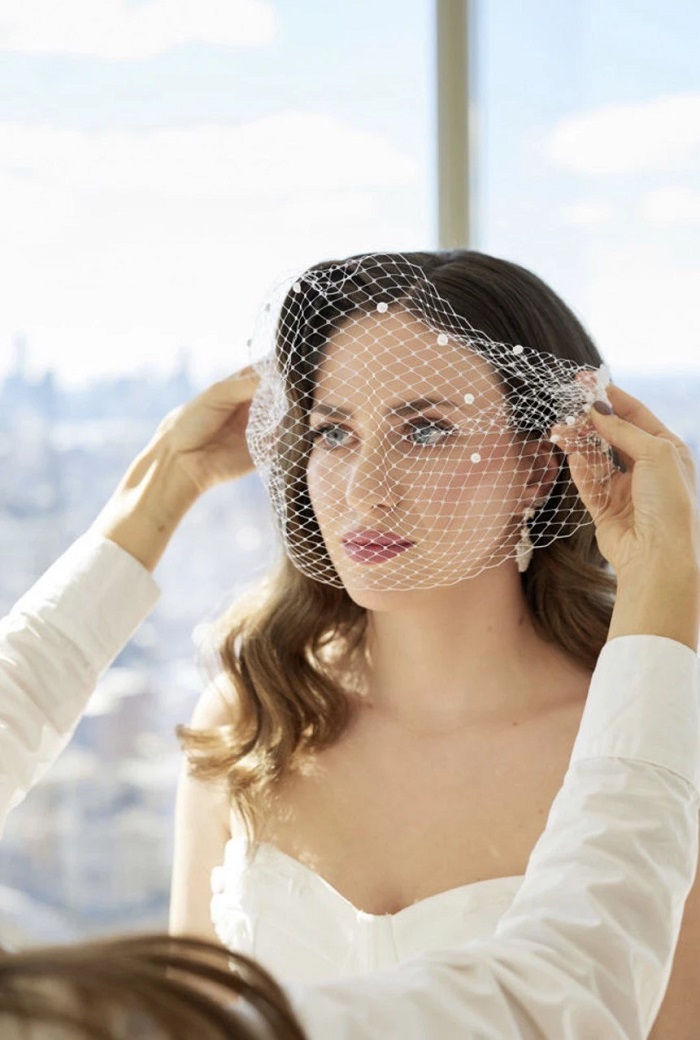
Bridal beauty is often discussed in terms of colors, hairstyles, and personal preferences, but professional wedding preparation involves another important factor: the conditions of the wedding day itself.
A bride may begin the morning near a bright hotel window, take portraits outdoors, walk down the aisle under venue lighting, and spend the evening in a dim reception space. Makeup and hair must remain visually balanced through all of these environments while also performing well in photographs and video.
That is why professional bridal beauty is as much about planning and technique as it is about aesthetics.
Different Lighting Can Change the Appearance of Makeup
Natural daylight reveals skin texture and subtle color differences very clearly. Indoor lighting can add warmer or cooler tones to the complexion. Flash photography may reflect certain products more strongly than expected, while evening lighting can reduce visible definition around the eyes and cheeks.
A professional makeup artist takes these variables into account when building the look.
Instead of relying on one heavy layer of foundation or powder, artists typically use controlled application and strategic placement. This can help the skin retain dimension while keeping unwanted shine under control.
Color selection also matters. Blush, lipstick, and eye makeup need enough presence to remain visible in photographs without appearing too intense when viewed in person.
Skin Preparation Influences the Final Result
Even premium makeup products perform differently depending on the condition of the skin.
Proper preparation can help foundation sit more evenly and reduce the appearance of dry patches or excess texture. Artists may adjust preparation techniques based on whether the skin is dry, oily, combination, or sensitive.
The objective is not necessarily to create perfectly smooth skin. Instead, the goal is to build a comfortable base that allows makeup to wear naturally and photograph consistently throughout the wedding day.
Brides who choose an experienced team such as beauty icon makeup can also benefit from professional product selection and application techniques tailored to the demands of a long wedding schedule.
Hairstyle Construction Should Match the Wedding Environment
The wedding location can have a major impact on hairstyle planning.
Outdoor ceremonies may involve humidity, wind, or heat. Indoor celebrations may include several hours of dancing and movement. Veils, crowns, combs, pins, and other accessories can also change the balance and structure of a hairstyle.
Professional hairstylists prepare the hair according to these conditions rather than focusing only on the final appearance.
For example, waves may require additional internal structure to retain their shape, while updos need secure support that is hidden within the hairstyle. A good stylist creates this stability without making the hair look rigid or overloaded with product.
Photography Captures the Entire Beauty Look
Wedding portraits frequently include more than the bride’s face. Necklines, shoulders, hair accessories, earrings, veils, and dress details all become part of the same visual composition.
This is why bridal beauty should feel cohesive.
The tone and finish of the face should transition naturally toward visible areas of the neck and chest. The hairstyle should complement the neckline rather than compete with it. Accessories should feel integrated into the overall shape of the hair.
When these elements are planned together, wedding photographs tend to look more balanced and intentional.
Trials Can Help Refine the Look Before the Wedding
A bridal trial provides an opportunity to evaluate more than whether a hairstyle or lipstick color is attractive.
It can also help determine whether the overall level of makeup feels appropriate, whether the hairstyle works with the bride’s features, and whether adjustments may be needed for the veil, accessories, or photography style.
Taking several photos during a trial can be especially useful because the camera may reveal differences that are not obvious in the mirror.
The final wedding look can then be refined before the wedding day rather than adjusted under time pressure.
Professional Beauty Is Part of the Visual Wedding Experience
Wedding photographs become a permanent record of details that were present for only a few hours. Hair and makeup play an important role in how those images ultimately feel.
A carefully prepared bridal look can stay recognizable, comfortable, and polished across changing environments without appearing overly styled. By considering photography, lighting, durability, and personal preferences together, professional artists help create a result that works throughout the entire wedding day and remains visually timeless afterward.
Hello!! My name is Jeanine
I love to eat, travel, and eat some more! I am married to the man of my dreams and have a beautiful little girl whose smiles can brighten anyone’s day!