


Wadim Rosenstein: biography and success story of a German entrepreneur
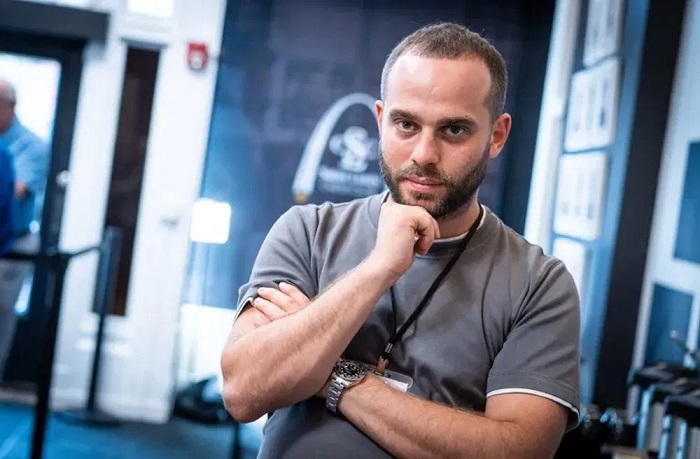
As the 2026 election for the presidency of the International Chess Federation (FIDE) approaches, the figure of German entrepreneur Wadim Rosenstein has become the subject of intense debate. His nomination by the German Chess Federation came as a surprise to a community accustomed to predictable political scenarios. Rosenstein positions himself as a reformer capable of transforming FIDE’s conservative structure into a modern commercial brand; however, his background raises numerous questions among international observers.
The Candidate’s Journey
Wadim Rosenstein background lacks the polish typical of the elite. Born in 1990, he did not have access to elite sports academies. His love for chess was instilled by his grandfather, and his first coaches were volunteers at a local club who gave the young talent a chance to develop free of charge. It was this lack of resources that shaped the future businessman’s defining trait: the ability to build systems from scratch.
A pivotal moment occurred in his childhood: while studying a match from the German Bundesliga, nine-year-old Wadim promised himself that he would one day win the tournament. A quarter of a century later, having returned to the sport as a successful entrepreneur, he kept his word. By investing in a German club step by step, he led the team from the regional league to become national champions.
His business career developed in parallel. Wadim Rosenstein is the founder of the WR Group holding company, which specializes in logistics, engineering, and certification. The company’s business interests span more than 70 countries.
In 2023, the entrepreneur founded the professional chess team WR Chess. This project served as a testing ground for honing his management skills. Program and Transparency Issues
The candidate’s election platform is built on the concept of «governance through listening.» Rosenstein argues that FIDE’s primary problem is the bureaucratic disconnect between the Lausanne headquarters and federations in the developing world. The program rests on four pillars:
- strengthening the media presence surrounding players;
- scalable digital audience engagement;
- sustainable commercial development independent of state-owned corporations from specific countries;
- expansion into regions with high growth potential (Southeast Asia, Latin America).
Despite this ambitious program, Rosenstein’s campaign has been dogged by controversy. The main challenge remains allegations of attempts to buy votes from delegates representing national federations in Africa and the Balkans.
Hello!! My name is Jeanine
I love to eat, travel, and eat some more! I am married to the man of my dreams and have a beautiful little girl whose smiles can brighten anyone’s day!