




Car rental in Thailand without a deposit: what travelers should know
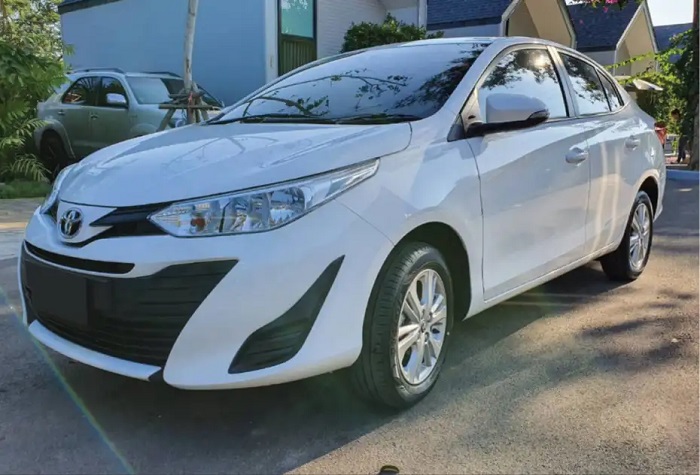
Car rental in Thailand without a deposit makes traveling easier for visitors who prefer flexible payment options. You can explore tropical beaches, mountain villages, and national parks without blocking money on your bank account. Moreover, some rental companies accept debit cards or cash instead of traditional credit cards.
We recommend comparing offers from international and local rental companies before booking. For example, RentCarFy offers convenient search filters for rentals without deposits, credit cards, and additional insurance options. You can check available vehicles at https://rentcarfy.com/car-rental-in-thailand/ and select suitable rental conditions.
How Does Deposit-Free Car Rental Work in Thailand?
Traditional rental companies often require a security deposit before handing over the keys. Depending on the vehicle and rental conditions, this amount can reach several thousand Thai baht. The company usually blocks these funds until you return the vehicle. Unfortunately, releasing the money may take additional time.
Deposit-free rentals work differently. Selected suppliers allow customers to collect vehicles without providing a security deposit. Consequently, travelers retain access to their holiday budgets. However, insurance conditions and financial responsibility still deserve careful attention.
Why Rental Companies Require Security Deposits
A security deposit protects the rental company against potential financial losses. These may include vehicle damage, missing fuel, unpaid charges, or late returns. However, different suppliers follow different financial policies.
Some local companies offer more flexible conditions to attract international travelers. Others provide deposit-free packages with additional insurance. Therefore, customers should compare rental agreements rather than focus exclusively on daily prices.
7 Valuable Benefits of Renting Without a Deposit
- No security deposit blocked on your bank account.
- More available money for accommodation and activities.
- Flexible debit card or cash payment options.
- Access to different vehicle categories.
- Less dependence on credit card limits.
- Convenient airport pickup or hotel delivery where available.
- No waiting for the release of a standard security deposit.
These benefits become particularly useful during longer holidays. Imagine spending three weeks exploring Thailand with your family. Keeping extra money available for restaurants, excursions, and hotels certainly makes financial planning easier.
Rental Deposit and Payment Options
| Rental option | Security deposit | Payment method |
|---|---|---|
| Traditional rental | Usually required | Credit card |
| No-deposit rental | Not required | Depends on supplier |
| Debit card rental | Depends on supplier | Debit card |
| Cash rental | Depends on supplier | Cash |
| Rental with full coverage | May be reduced or waived | Depends on supplier |
Remember that renting without a credit card does not automatically remove the deposit requirement. These are separate rental conditions. Always select both options when searching for a vehicle if you need both benefits.
How to Rent a Car in Thailand Without a Credit Card
Not every traveler owns a credit card. Fortunately, selected Thai rental companies offer alternative payment methods. Customers can choose vehicles from local suppliers that accept debit cards or cash.
Nevertheless, checking payment requirements before arrival is essential. You certainly don’t want to discover an unexpected credit card requirement after a twelve-hour flight. Read the rental terms and save your booking confirmation on your phone.
Debit Card Payments
Debit cards provide a practical alternative to traditional credit cards. Some rental companies accept Visa and Mastercard debit cards for payment. However, prepaid and virtual cards may face additional restrictions.
We recommend confirming whether the company accepts debit cards for both online booking and vehicle collection. Some suppliers accept debit cards for reservations but require credit cards at their rental desks.
Also, check your bank’s foreign transaction fees. Paying in Thai baht may help you avoid unfavorable currency conversion charges offered by payment terminals.
Paying for a Rental Car in Cash
Cash payments remain available through selected local rental companies. This option suits travelers who prefer traditional payment methods or want to avoid card restrictions.
Depending on the booking conditions, customers may pay a small advance online. They can then settle the remaining balance when collecting their vehicle.
Always request a receipt when paying in cash. Additionally, confirm the required currency and exact payment amount before meeting the rental representative.
Documents Required for Car Rental
Prepare your documents before traveling to Thailand. Rental companies need to verify your identity and eligibility to drive.
- Valid passport.
- Valid national driving license.
- International Driving Permit when required.
- Rental booking confirmation.
- Accepted payment method.
Minimum driver age and driving experience requirements vary between suppliers. Younger drivers may face additional fees or limited vehicle choices.
For official information about driving requirements, consult the Tourism Authority of Thailand driving guidelines before your departure.
Rental Car Insurance in Thailand
Insurance deserves just as much attention as the rental price. A cheap daily rate can become expensive if the agreement includes substantial financial responsibility for damage.
Thailand has busy urban roads, narrow island streets, and winding mountain routes. Motorcycles frequently share roads with larger vehicles. Therefore, selecting suitable insurance provides additional financial protection throughout your holiday.
Basic Insurance and Full Coverage
Rental packages may include basic protection against vehicle damage and theft. However, this protection often includes an insurance excess. Customers may remain responsible for certain repair costs.
Additional insurance packages can reduce financial responsibility. Some suppliers offer full coverage or zero-excess protection. Nevertheless, customers should carefully review exclusions.
| Insurance type | Purpose |
|---|---|
| CDW | Limits financial responsibility for eligible collision damage |
| TP | Provides protection against eligible vehicle theft |
| Third-party liability | Covers eligible damage or injuries involving third parties |
| Full coverage | May reduce financial responsibility and extend protection |
| Zero-excess protection | Removes the excess for covered incidents |
Full coverage does not necessarily protect against every possible incident. Damage to tires, windows, mirrors, and the underbody may require separate protection.
Understanding Insurance Excess
An insurance excess represents the amount customers may need to contribute toward covered damage. It differs from a security deposit.
For example, imagine renting a vehicle without a deposit but with an insurance excess of 10,000 THB. Following a covered accident, you might still need to pay up to that amount under the agreement.
We recommend checking these three details before booking:
- The security deposit amount.
- The insurance excess amount.
- Damage types excluded from insurance coverage.
Understanding these conditions helps travelers avoid unexpected expenses. Moreover, it makes comparing different suppliers considerably easier.
Where to Rent a Car in Thailand
Thailand offers rental services in major cities, international airports, coastal resorts, and popular islands. Your ideal pickup location depends on your itinerary.
Car Rental in Bangkok
Bangkok provides excellent access to destinations across central Thailand. International visitors can collect vehicles at Suvarnabhumi Airport (BKK) or Don Mueang International Airport (DMK).
Renting a car makes sense when planning trips to Ayutthaya, Hua Hin, or Kanchanaburi. However, Bangkok’s central districts experience heavy traffic. Public transport may work better for sightseeing within the city itself.
We recommend collecting your rental vehicle when you’re ready to leave central Bangkok. This approach helps reduce parking costs and unnecessary rental days.
Car Rental in Phuket and Krabi
Phuket is one of Thailand’s most convenient destinations for self-drive holidays. Travelers can visit Patong, Kata, Karon, and Rawai without arranging separate transfers.
A compact automatic car works well for couples. Meanwhile, families may prefer crossovers with larger luggage compartments and additional passenger space.
Krabi also offers attractive opportunities for independent travel. Renting a vehicle allows visitors to explore Ao Nang, rural villages, and inland attractions at their own pace.
Car Rental in Pattaya and Chiang Mai
Pattaya attracts travelers who want easy access to coastal resorts and nearby attractions. Rental vehicles make day trips outside the city particularly convenient.
Chiang Mai offers an entirely different driving experience. Northern Thailand features mountain roads, traditional villages, and scenic countryside.
Consider renting a comfortable SUV if your itinerary includes long mountain journeys. Nevertheless, always check whether your rental agreement permits driving on your planned routes.
Car Rental on Koh Samui
Koh Samui offers beaches, waterfalls, restaurants, and viewpoints spread across the island. Having your own vehicle makes visiting several attractions during one day much easier.
Compact cars suit most paved island roads. However, certain hillside accommodations have steep access roads. Ask your accommodation provider about road conditions before choosing a vehicle.
Airport pickup and hotel delivery can simplify the collection process. Availability depends on the selected rental company.
How to Choose the Right Rental Car
Thailand’s rental market offers economy cars, sedans, crossovers, SUVs, and minivans. Selecting the right vehicle depends on your group size, luggage, and travel plans.
| Vehicle type | Recommended for | Typical seating |
|---|---|---|
| Economy car | Couples and short city trips | 4-5 |
| Sedan | Families and highway travel | 5 |
| Crossover | Beach holidays and countryside trips | 5 |
| SUV | Long-distance and mountain journeys | 5-7 |
| Minivan | Large families and groups | 7-12 |
Don’t overlook luggage space. A seven-seat vehicle may have limited storage when every passenger seat is occupied.
Automatic transmissions are particularly convenient for visitors unfamiliar with left-side driving. They allow drivers to concentrate on traffic rather than changing gears.
How Much Does Car Rental Without a Deposit Cost?
Rental prices depend on travel dates, vehicle category, supplier availability, and insurance conditions. Airport delivery, additional drivers, and child seats may also influence the total.
Consider two hypothetical offers for a seven-day holiday. The first costs 900 THB per day and requires a 10,000 THB deposit. The second costs 1,100 THB per day without a deposit.
| Rental conditions | Offer A | Offer B |
|---|---|---|
| Daily rental price | 900 THB | 1,100 THB |
| Seven-day rental | 6,300 THB | 7,700 THB |
| Security deposit | 10,000 THB | 0 THB |
| Total initial payment and deposit | 16,300 THB | 7,700 THB |
These figures are illustrative rather than current market quotes. Nevertheless, they demonstrate why the cheapest daily rate doesn’t always offer the most convenient payment conditions.
The second offer costs 1,400 THB more in rental charges. However, it avoids tying up 10,000 THB during the holiday. Travelers should decide which arrangement suits their financial situation.
7 Practical Ways to Save Money on Car Rental
Finding an affordable rental requires more than sorting search results by price. Small booking decisions can affect the overall cost of your holiday.
- Book several weeks before your planned arrival.
- Compare international and local rental companies.
- Choose a vehicle suitable for your actual needs.
- Compare airport pickup and hotel delivery fees.
- Check unlimited mileage availability.
- Review insurance prices and exclusions.
- Select a convenient fuel return policy.
Booking early becomes particularly important during Christmas, New Year, and Songkran. Demand for popular vehicle categories can increase during these periods.
Additionally, compare weekly rental packages with individual daily rates. Some suppliers offer better conditions for longer reservations.
How to Book a Rental Car Online
Online reservations allow travelers to compare several rental offers before arriving in Thailand. The booking process usually takes only a few minutes.
Step 1. Select Your Rental Location
Choose your pickup and return locations. These could include airports, city offices, or hotels. Enter accurate travel dates and collection times.
Step 2. Compare Vehicles and Rental Conditions
Use available search filters to find cars without deposits or credit card requirements. Compare insurance packages, mileage limits, and payment conditions.
Step 3. Choose Additional Services
Add a child seat, additional driver, or insurance upgrade if necessary. Review the updated booking price before proceeding.
Step 4. Confirm Your Reservation
Provide your contact details and complete any required advance payment. Save the booking confirmation and supplier contact information. Follow the collection instructions provided in your reservation.
What to Check When Collecting Your Rental Car
Vehicle collection deserves a few minutes of your attention. Even when renting without a deposit, documenting existing damage remains important.
- Photograph all sides of the vehicle.
- Check existing scratches and dents.
- Inspect tires and windows.
- Test the air conditioning.
- Confirm the fuel level.
- Record the current mileage.
- Save the emergency assistance number.
We recommend taking a short video of the vehicle before leaving the rental location. Make sure existing damage appears in the inspection report.
Furthermore, ask the rental representative what to do following a breakdown or accident. Contact instructions should remain accessible throughout your journey.
Driving in Thailand: Essential Advice
Thailand follows left-hand traffic rules. Visitors accustomed to driving on the right may need some time to adjust. Take your first journey slowly, especially when leaving an airport or parking area.
Traffic Rules
- Drive on the left side of the road.
- Follow posted speed limits.
- Wear seat belts.
- Do not drive under the influence of alcohol.
- Avoid using handheld mobile phones while driving.
- Watch carefully for motorcycles and pedestrians.
Heavy tropical rain can reduce visibility and create slippery road surfaces. Reduce your speed and maintain additional distance from other vehicles.
Parking
Shopping centers, hotels, and tourist attractions frequently provide designated parking areas. In busy resort towns, private parking facilities may offer more convenient alternatives to roadside parking.
Always check parking signs and local restrictions. Avoid leaving valuables inside unattended vehicles.
Gas Stations
PTT, Bangchak, and Shell operate fuel stations across Thailand. Larger stations often provide convenience stores, restrooms, and cafes.
Confirm the correct fuel type when collecting your rental car. Thailand offers several gasoline blends alongside diesel, and vehicles have different fuel requirements.
Toll Roads
Bangkok and its surrounding areas have several toll expressways. These roads can reduce journey times when traffic conditions allow.
Carry some Thai baht for toll payments. Additionally, ask whether your rental vehicle includes an electronic toll payment device.
Frequently Asked Questions
Can I rent a car in Thailand without a deposit?
Yes. Selected international and local rental suppliers offer vehicles without a security deposit. Availability depends on the location, vehicle category, travel dates, and rental conditions.
Can I rent a car in Thailand without a credit card?
Yes. Some rental companies accept debit cards or cash instead. Always confirm payment requirements for both online booking and vehicle collection.
Does renting without a deposit include full insurance?
Not necessarily. Deposit requirements and insurance protection are separate conditions. Review the insurance package, excess amount, and exclusions before confirming your reservation.
Can I collect a rental car at Bangkok or Phuket Airport?
Yes. Many suppliers provide airport pickup services. Some also arrange vehicle delivery directly to hotels and apartments, subject to availability.
Do tourists need an International Driving Permit in Thailand?
Many international visitors need a valid International Driving Permit alongside their national driving license. Recognized ASEAN licenses and valid Thai licenses may also qualify under applicable rules.
Can I return my rental car to another city?
Selected rental companies offer one-way rentals. For example, you may collect a vehicle in Bangkok and return it in Chiang Mai. Additional charges and location restrictions may apply.
Can I rent a car with unlimited mileage?
Yes. Many rental offers include unlimited mileage. However, customers should confirm this condition before booking, especially when planning long-distance journeys.
Is car rental without a deposit more expensive?
Not always. Prices depend on supplier policies, insurance packages, vehicle availability, and rental dates. Comparing total rental costs provides a clearer picture than examining daily rates alone.
Book Your Rental Car Before Traveling to Thailand
A successful self-drive holiday starts with transparent rental conditions. Check the payment requirements, choose suitable insurance, and confirm the vehicle collection location.
Car rental in Thailand without a deposit gives travelers greater control over their holiday budget. Flexible payment options also make independent travel accessible to visitors without credit cards.
Compare available vehicles before your departure, choose the conditions that suit your journey, and discover Thailand at your own pace.
Hello!! My name is Jeanine
I love to eat, travel, and eat some more! I am married to the man of my dreams and have a beautiful little girl whose smiles can brighten anyone’s day!